
Using Online Casinos as Examples to Teach People How to Make Good Decisions
One of the most useful skills teachers can teach their students is how to make choices based on careful thought and good information. Using real-life examples from places like online game platforms can give more concrete examples of how to evaluate risk, probability, and consequences compared to traditional methods that mostly rely on hypothetical situations. By looking at how gambling games work, from the math behind them to how they're designed to appeal to different types of people, students learn useful skills that can be used in real life as well as in gaming settings. This way of teaching puts an emphasis on self-awareness, critical thinking, and learning about money. It also helps kids understand how choices are made in different areas of their lives.
Why Being Able to Make Good Decisions is an Important Skill to Learn

Making good decisions affects all parts of a person's life, from the subjects they study to their job choices and even their relationships with other people. Today's world is full of knowledge, so young people have to make a huge number of decisions every day. Many of these decisions will have big effects in the long run. Learning how to make good decisions early on helps students carefully weigh their choices, see things from different points of view, and guess what might happen before deciding what to do.
Responsible decision making begins with critical thinking. Students are better able to handle tough scenarios when they learn to question assumptions, look at evidence, and spot biases in their own thinking. Frameworks for learning that use real-life examples, even ones from games, give students real-life situations where they can see how one action can lead to another. These examples show how choices have ripple effects that make it even more important to think things through carefully.
Emotional regulation is an important part of rational decision making, but it's not usually taught in school. Students need to understand how feelings like anger, excitement, or group pressure can make it hard to think clearly and make decisions on the spot. Teachers can help students become more self-aware and learn how to stop and think before making big choices by showing them situations where emotions might get in the way of rational thinking. This skill is very useful for students when they are thinking about their future cash decisions, social obligations, or academic obligations.
Using Examples from Online Casinos to Talk About Risk and Chance
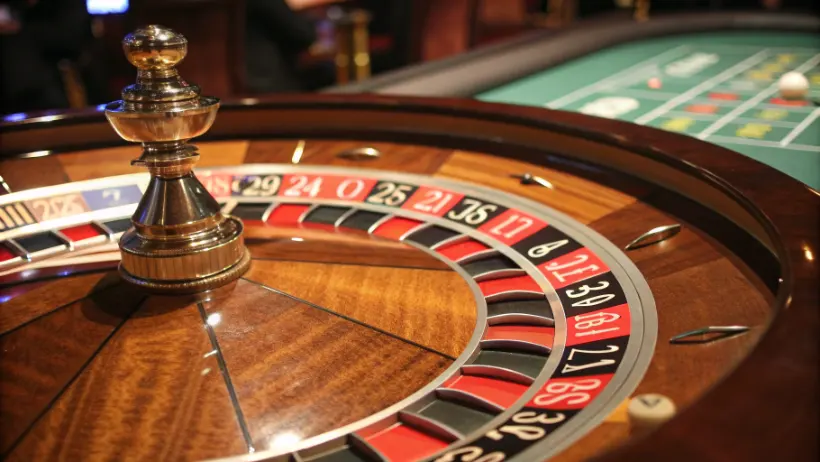
In math class, it can be hard to make abstract ideas real for the kids. However, casino games show probability, expected value, and statistical results in a way that is easy to understand and measure. Examining how online casinos like Piperspin operate provides concrete demonstrations of probability in action, showing why understanding mathematical concepts matters in real-world contexts. These examples show students that games of chance are not strange; they are based on math rules that can be studied and understood.
The idea of "house edge" shows how chances affect what happens in the long run. There is a mathematical edge built into every casino game that makes sure the house will win over time. Students learn from this concept that results may be different for each person, but results as a whole tend to follow predictable patterns. When students understand expected value, they can see that short-term wins don't change the underlying mathematical truth. This is a lesson that can be used in many situations, such as when making investment decisions, choosing insurance policies, and evaluating risk.
| Game Type | House Edge | Skill Component | Variance Level |
|---|---|---|---|
| Slots | 2–15% | None | High |
| Roulette | 2.7–5.26% | None | Medium |
| Blackjack | 0.5–2% | Important | Low to Medium |
| Poker | Rake-based | Dominant | High |
This table shows how the risks of different games are different. Students learn that not all risks are the same—some have better chances than others—and that in some situations, skill can change how things turn out. These differences help you think more deeply about how to evaluate risk in areas like career choices, investment strategies, and everyday decisions where probability plays a part. Students who understand these ideas become more resilient and have realistic goals in every part of their lives.
"Understanding probability isn't just about predicting outcomes—it's about making informed decisions when facing uncertainty."
— Dr. Sarah Chen, researcher in educational psychology
How Game Mechanics Affect What You Do and How You Choose to Act
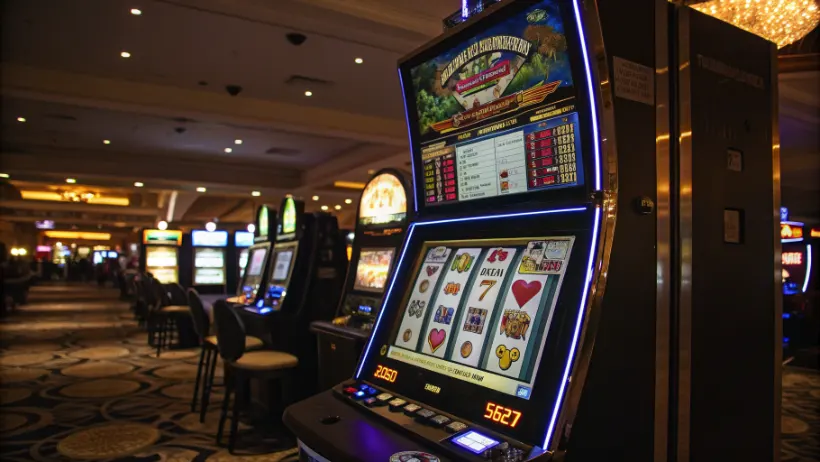
Casino games are made with complex psychology ideas in mind to make people want to keep playing. Students can learn a lot about how environmental factors and presentation styles affect the decision-making process by looking at these mechanisms. This information helps teens and young adults spot similar tricks used in ads, on social media sites, and other places where their choices may be quietly influenced.
In casino games, awards come at random after a certain number of tries, which is called variable ratio reinforcement. The brain releases dopamine not only when you win, but also when you think you might win. This pattern makes behavioral reactions very strong. Students who understand this mechanism will be able to spot similar trends in social media notifications, video games, and other designed experiences. Being aware of this gives them the power to choose how to connect instead of automatically reacting to artificial stimuli.
The following design elements show how presentation affects how people think and act:
- Close calls that give the impression of "almost winning" even though you lost encourage you to try again.
- Sounds and images in the background that keep things exciting and hide the passing of time
- Small wins that happen often and give regular positive feedback even when the net result is bad
- Achievement and progress markers that set unrealistic goals that have nothing to do with actual results
- Social comparison tools that use competitive impulses and peer pressure
- Loss that looks like a win, where payouts are less than the initial bet but are honored as wins
Understanding these manipulative design elements helps students become more critical of settings that are made to change the way people act. They can use what they've learned to evaluate the social media sites, mobile apps, and marketing techniques they come across every day.
Financial Literacy Through Casino Scenarios

Many school systems need to do a lot more to teach students about money. Using casino scenarios to teach gives real-life examples of how to handle your money, stick to a budget, and understand the relationship between risk and return. These lessons teach students directly useful money skills that they will use all their lives, from paying back student loans to choosing investments.
Teaching kids to set clear financial limits before doing anything risky is an important way to teach them good money management skills. Setting a limit on how much you can lose ahead of time is an idea that can be used for all kinds of things, from entertainment budgets to investment portfolios to business projects. Students learn that if they want to be responsible and take part in an activity that costs money, they need to be honest about their resources and be willing to lose money. To make rational decisions, you have to keep your emotions out of your financial planning and stick to your limits, no matter what the short-term results are.
The things you can do in a casino are paid fun, not ways to make money. This important difference helps kids understand that:
- The value of entertainment should match what is spent: money should be spent based on how much fun it is, not on making money.
- Investing time has costs in other areas: Any task that takes hours of time means that you can't do other things.
- Emotional costs are important. Stress, disappointment, and damage to relationships have real effects that go beyond monetary loses.
- Sunk cost myth traps: Spending more to "recover" things that have already been lost is not a good reason.
- Marketing vs. reality: big wins that are advertised are statistical outliers, not everyday events
- Comparison of different options: The money you spend on low-probability returns could be put to better use elsewhere.
"Teaching financial literacy works best when students can use what they've learned in real life. There are clear cause-and-effect links in casino cases that help make abstract ideas more real and easy to remember."
— Marcus Rodriguez, Specialist in Financial Education
Using Key Skills for Making Decisions in Real Life

Transferring those skills to real-world situations is the main objective of any set of examples used to teach responsible decision making. Students who build strong analytical models can use the same ideas to make decisions about their schoolwork, careers, relationships, and personal goals. By looking at risk, probability, and behavioral influences, you can build critical thinking skills that will help you get through life's challenges.
| Decision Situation | Using the Principle | Example of a Question |
|---|---|---|
| Choice of College | Evaluation of Expected Value | Does the price tag match the likely job outcomes? |
| Choices for Jobs | Analysis of Risk and Reward | How likely is it that you will succeed compared to your financial security? |
| Making Investment Choices | How to Understand Variance | Can I handle possible losses while trying to make gains? |
| Commitments in Relationships | Effects on the Long Term | How do current thoughts match up with compatibility in the future? |
This system shows that the basic rules for making decisions stay the same in different situations, even when the details are very different. Students learn how to figure out what decisions are really about and how to use the right analytical tools for each case. Making smart choices becomes a skill that can be used in any situation and makes things better in every area of life.
People who are good at making decisions set up unique ways to weigh their options. Usually, these frameworks include making a list of all the options, gathering relevant information, analyzing possible outcomes, thinking about personal values and goals, getting advice from trusted sources when needed, and setting decision criteria before looking at the options. Students who do these steps in school form habits that will help them throughout their lives. These habits will help them avoid making decisions on the spur of the moment and instead make choices that are in line with their long-term goals and values.
Conclusion

Students are given useful analytical tools and critical thinking skills when responsible decision making is taught using real-world examples, such as how casino games work. Young people are better prepared to make tough decisions throughout their lives when they learn about probability, how to recognize behavioral effects, and money matters. In the end, this educational strategy fosters more thoughtful, knowledgeable citizens capable of rational decision making by turning abstract concepts into clear lessons that have real-world applications.
Frequently Asked Questions
Why use casino examples to teach decision making skills?
Casino examples provide concrete, measurable demonstrations of probability, risk assessment, and behavioral psychology. They make abstract mathematical concepts tangible and show real-world applications of decision-making principles that students can transfer to academic, financial, and personal situations.
What is house edge and why is it important for students to understand?
House edge is the mathematical advantage built into casino games that ensures the house wins over time. Understanding this concept teaches students that individual outcomes may vary, but aggregate results follow predictable patterns. This principle applies to investment decisions, insurance evaluation, and other real-world risk assessments.
How do casino game mechanics relate to everyday technology?
Casino games use variable ratio reinforcement, near-miss effects, and reward schedules that are similar to mechanisms in social media notifications, video games, and mobile apps. Understanding these design elements helps students recognize when their behavior is being influenced by engineered experiences rather than genuine choice.
What financial literacy skills can students learn from casino scenarios?
Students learn to set financial limits before engaging in risky activities, understand entertainment costs versus investment returns, recognize sunk cost fallacies, and evaluate the relationship between risk and reward. These skills transfer to budgeting, student loan management, and investment decisions throughout their lives.
How can decision-making frameworks learned through casino examples apply to real life?
The analytical tools used to evaluate casino scenarios—such as expected value assessment, risk-reward analysis, and variance understanding—apply directly to college choices, career decisions, investment strategies, and relationship commitments. Students learn to identify what decisions are fundamentally about and apply appropriate analytical tools to each situation.