
Social Emotional Learning Activities and the Role of Interactive Games in Digital Gaming
Through structured events, social and emotional learning activities are meant to help people become more self-aware, develop empathy, and improve their social skills. Engagement and input are important parts of interactive settings, like digital games and online casinos. These learning activities use those ideas. Educators and trainers can make more effective social emotional learning activities that appeal to today's students by knowing how game-based design encourages participation and emotional investment. This piece looks at how interactive learning activities and the ways people are kept interested in digital games are related.
What are activities for social and emotional learning? Why is participation important?
The main goal of social and emotional learning activities is to build skills like controlling emotions, working together, and making smart decisions. These tasks are important for personal growth and help people feel more comfortable in social situations. Engaging people is very important for their success because they need to want to think about their feelings and try out new behaviors in real-life situations.
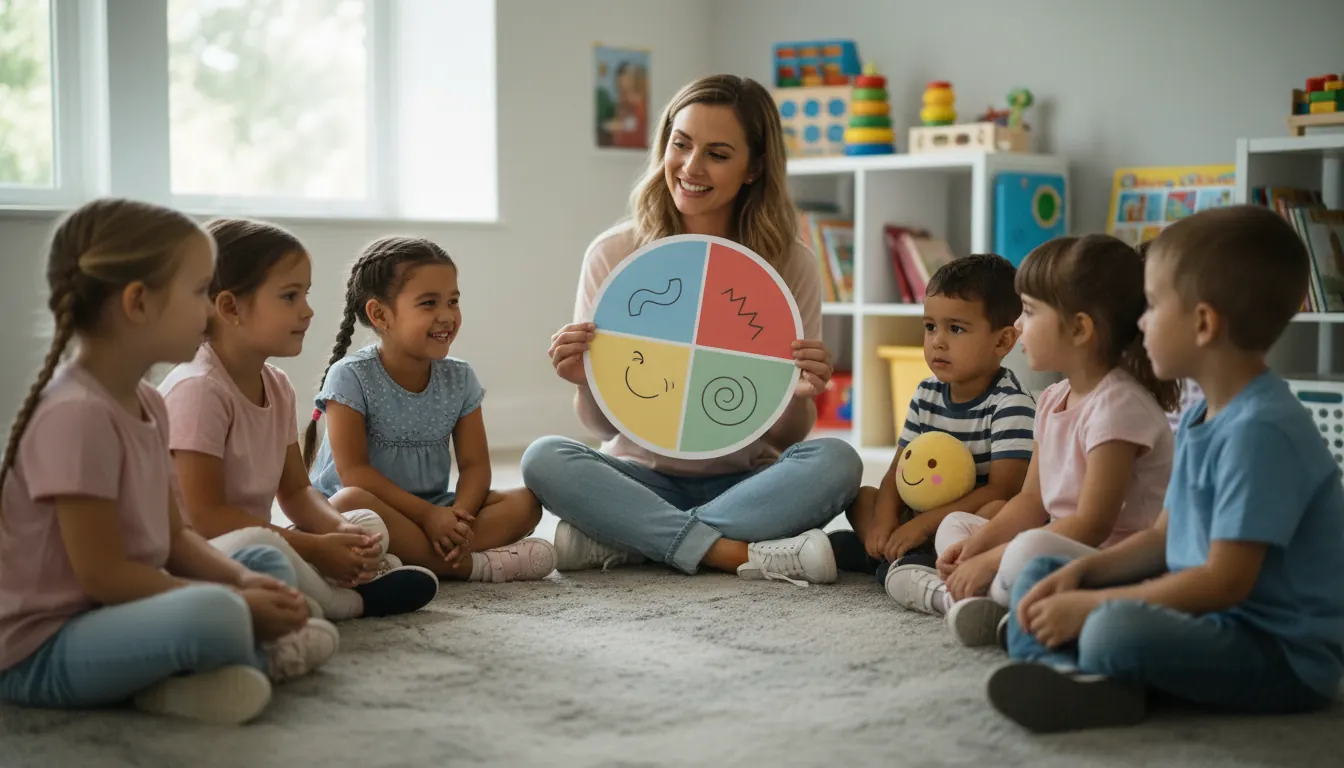
What Social and Emotional Learning Is All About
Self-awareness, self-management, social awareness, relationship skills, and responsible decision-making are the five key abilities that effective social emotional learning activities address. For each skill, learners need to practice on purpose and be given chances to face real challenges. Storytelling, role-playing, and working together to solve problems are all activities that tend to have better results because they are more like real-life social exchanges. This is the goal: to make spaces where students can safely explore their feelings and get helpful feedback.
Why Participation Leads to Better Learning Results
When students are interested, they are more likely to remember what they have learned and use it when they are not in school. Making social emotional learning activities more memorable and powerful, engagement turns passive viewing into active involvement. Interactive experiences lead to greater mental processes and emotional connections, which are necessary for remembering things for a long time. Many teachers are looking into how to improve interactive learning activities by using involvement strategies from other areas, like video games, because of this idea.
How the layout of digital games and online casinos makes people want to interact
Digital gaming platforms and online casinos have learned the art of keeping people interested by using well-thought-out prize systems, giving instant feedback, and changing the times when they give rewards. These places keep people interested by giving them clear goals, small accomplishments, and social praise. Knowing how these things work gives you useful information about how to keep people interested in learning activities for long amounts of time.

In digital worlds, reward systems and feedback loops
Online game sites use reward systems that give players quick gratification and keep them playing. Players get sound and visible feedback for every move they make, which makes them feel like they're making progress and completing tasks. Online casinos that use stacked award structures, like ringospin, offer bonuses, progressive challenges, and tiered success systems that keep players interested. You can use these design principles in the classroom by making learning activities that reward hard work, celebrate big steps forward, and give useful feedback on a regular basis.
| Create an element gaming app | Changes to education |
|---|---|
| Right Away Feedback | Score changes in real time |
| Formative rating right away | Getting harder over time |
| Levels you can unlock | Skill improvement on a scaffold |
| Enjoyable Views | Awards and badges |
| Systems that recognize accomplishments | Lists of social leaders |
| Rankings that compete | Tracking of growth together |
How variable reinforcement works in the mind
Variable reinforcement plans, which are popular in casinos, make reward patterns that are hard to guess and keep people interested over time. This psychology principle keeps people interested because they expect prizes in the future but don't know when they will happen. The idea of varied and unexpected positive reinforcement can make social emotional learning activities more interesting and less predictable. This can keep students interested and encourage them to persevere through difficult tasks.
Interactive activities for learning that are based on game-like experiences
Adding game-like features to interactive learning activities can greatly improve social and emotional development by making abstract ideas real and usable. Simulations, competitions, and working together are all used in these activities to help people practice their skills in safe but changing settings. Facilitators can make activities that feel more like fun games than boring lessons by adding things like points, tasks, and team-based goals.

Situations and simulations for role-playing
When students play roles, they can see things from different points of view and practice understanding by going through events from different points of view. Like in digital games with branching plots, these models can be set up as story-driven experiences where players make choices that affect the ending. Facilitators make trainees think about their choices and how their actions affect others by giving them situations with real-life outcomes. This helps them become more self-aware and socially aware.
Challenges for both competition and teamwork
Activities that are both competitive and cooperative can teach kids important lessons about working together, resolving disagreements, and having common goals. Competing tasks push people to do their best, while group projects teach people how important it is to talk to each other and help each other out. These ways of teaching are used together in the following interactive learning activities:
- Team-based missions to solve problems where groups fight to use emotional intelligence to finish challenges
- Peer tutoring programs are set up with levels so that more experienced students can help new students through situations that get harder as they go.
- Storytelling activities where people work together to create stories while dealing with character feelings and problems
- Structured debate events that teach people how to respectfully disagree and see things from different points of view
- Simulation games let students run simulated communities and balance the needs of each member with the needs of the community as a whole.
- Reflective writing tasks that are turned into games with tracking of accomplishments and recognizing personal milestones
Activities for learning that help with communication and understanding emotions
Opportunities for genuine conversation and emotional discovery must be provided by effective social emotional learning activities. These learning activities help people learn the words they need to talk about their feelings, read other people's emotions, and handle tough conversations with respect and understanding. In order to create spaces where students feel safe being sensitive, instructors can plan activities that stress emotional honesty and active listening.
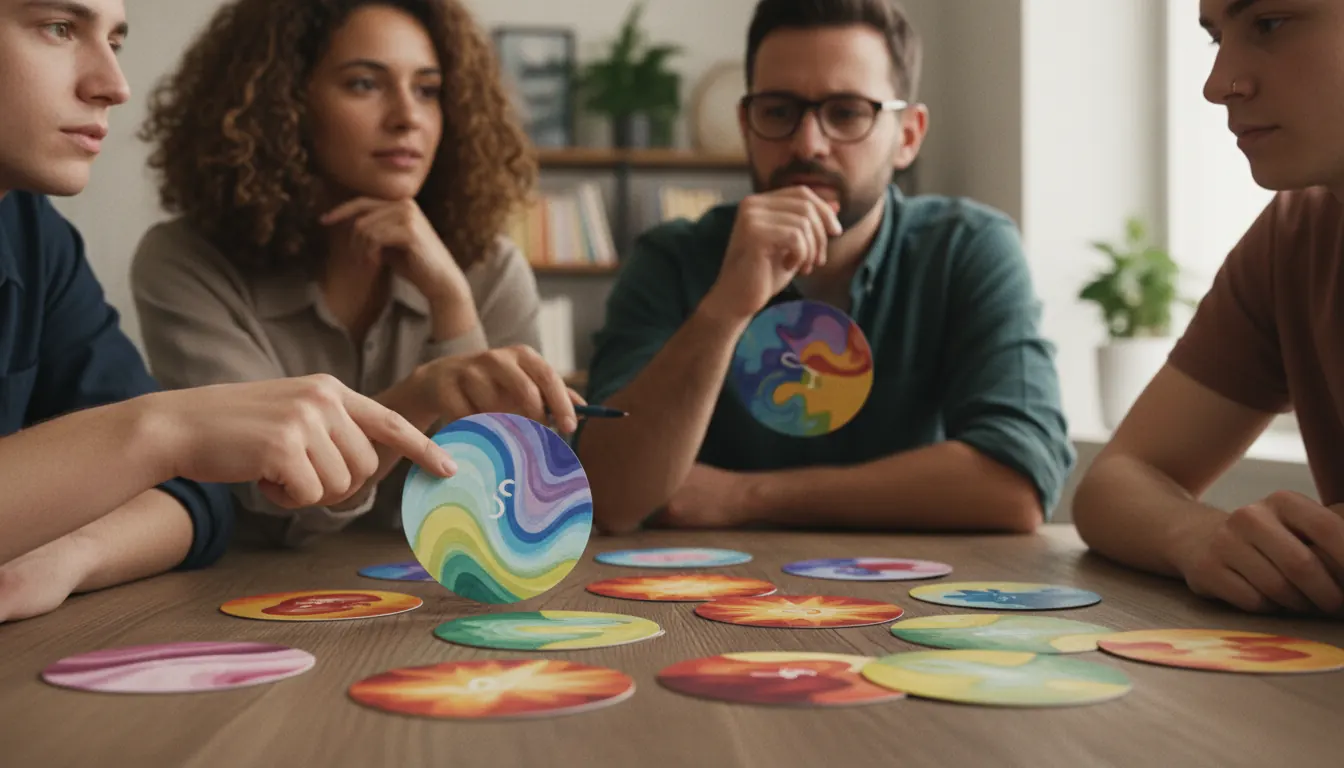
Structured dialogue can help you build your emotional vocabulary.
A lot of people have trouble putting their feelings into words other than simple ones like "happy," "sad," or "angry." Structured dialogue exercises that teach emotional language in a variety of ways help students say what they mean more clearly. For example, you could match face gestures to emotion words, talk about your own experiences using more emotional language, or look at characters in stories to figure out how they're feeling. Learners are better able to handle their feelings and tell others what they need when they are really clear about what they are feeling.
Active listening and empathy practice
Active listening is a skill that all social and emotional skills are built on, but it takes work to get good at it. Learning tasks that focus on paraphrasing, thoughtful listening, and nonverbal communication help people understand how other people are feeling better. The activities below help you listen and understand others better:
- Paired retelling events where one person talks about an experience and the other person listens without talking over them. The second person then sums up what they heard.
- Emotion charades is a game where people act out different emotions while others try to guess what they are feeling and talk about how those emotions show up in their bodies.
- Situations that require students to think about moral issues from different points of view before making their own decisions
- Guided thought circles are places where people can share their answers to questions and get better at valuing each other's experiences.
- Challenges for nonverbal conversation where teams have to finish jobs using only facial expressions and gestures
- Role-plays for conflict resolution where students practice de-escalation skills and working together to solve problems in made-up situations
"Social emotional learning is most effective when it moves beyond theoretical discussion and becomes embodied practice, allowing learners to experience the emotional dynamics they're studying in safe, structured environments."
Bringing game-inspired fun to learning activities for school
Without jeopardizing the integrity of the learning process, educators and trainers can carefully incorporate participation principles from games into social and emotional learning activities. The important thing is to figure out which parts of digital games really help students learn and then carefully change those parts to fit educational goals. With this method, you need to find a balance between learning goals that are important and keeping students interested.

Making achievement systems that help kids grow socially and emotionally
By breaking down difficult skills into clear goals, achievement systems can keep track of growth in social and emotional skills. Instead of just measuring results like traditional marking does, these systems reward small steps of progress and effort. Visual success markers, skill badges, and personal development albums are some of the things that facilitators can make to help students see how they've grown over time. The following table shows how different social and emotional skills can be included in success systems:
| Skills and abilities | Milestone for Beginner | Milestone in the Middle | Important Step Forward |
|---|---|---|---|
| Being self-aware | Figuring out basic feelings | Identifying what makes you feel a | Trying to guess how people will feel |
| Feeling empathy | Recognizing how other people feel | Making other people's points of view clear | Changing how you act based on what other people want |
| The Conversation | Being clear about what you need | Active listening skills | How to handle tough talks |
| Getting rid of conflicts | Finding the sources of conflict | Offering answers that are a deal | Settling disagreements between people |
Getting the right mix of intrinsic and extrinsic motivation
The ultimate goal of social emotional learning activities is to foster innate motivation rooted in personal values and true care for others. Game-based components can provide extrinsic motivation through prizes and praise. Facilitators need to create systems that eventually shift the attention from rewards from the outside to satisfaction from within. Connecting accomplishments to real-life effects, supporting self-reflection on personal growth, and giving students chances to mentor others can help with this transition. This will reinforce the worth of emotional intelligence and social competence on their own.
Conclusion
When you use participation principles from interactive experiences, like digital game platforms, in social and emotional learning activities, they work better. Teachers can make learning activities that appeal to today's students if they know how to use feedback systems, variable rewards, and joint tasks to keep students interested. When you combine social and emotional development with game-inspired design, you can create experiences that are both important and fun, which can help you develop emotional intelligence, communication skills, and understanding.
Frequently Asked Questions
What are the main components of effective social emotional learning activities?
Effective social emotional learning activities focus on five key competencies: self-awareness, self-management, social awareness, relationship skills, and responsible decision-making. These activities typically incorporate real-world scenarios, role-playing, collaborative problem-solving, and storytelling to create safe environments where learners can explore emotions and receive constructive feedback.
How can game-based design principles improve interactive learning activities?
Game-based design principles enhance interactive learning activities through immediate feedback systems, progressive challenge levels, achievement recognition, and social leaderboards. These elements transform passive learning into active engagement by providing clear goals, celebrating milestones, and creating reward structures that motivate learners to persist through difficult tasks.
What role does emotional vocabulary play in social emotional learning activities?
Emotional vocabulary development is crucial for social emotional learning activities as it helps learners express their feelings beyond basic terms. Structured dialogue exercises, facial expression matching, and character analysis activities expand emotional language, enabling students to better manage their emotions and communicate their needs effectively to others.
How do cooperative and competitive challenges benefit social and emotional development?
Cooperative and competitive challenges in learning activities teach valuable lessons about teamwork, conflict resolution, and shared objectives. Competitive tasks motivate learners to excel, while collaborative projects emphasize communication and mutual support. This combination helps students develop emotional intelligence through team-based problem-solving missions, peer tutoring programs, and structured debate activities.
What is the difference between intrinsic and extrinsic motivation in social emotional learning activities?
Extrinsic motivation comes from external rewards like badges, points, and recognition, while intrinsic motivation stems from personal values and genuine care for others. Effective social emotional learning activities use game-based elements to provide initial extrinsic motivation, then gradually shift focus to intrinsic satisfaction by connecting achievements to real-world impact and encouraging self-reflection on personal growth.