
Activities for Learning That Are Based on Video Games and Interactive Play
When digital entertainment and instruction come together, they create strong ways to get people involved. Now, games, tasks, and prizes for learning are based on those found in interactive platforms. From hands-on learning activities that mimic real-life problem-solving situations to outdoor learning activities that use game-based rules, educators are finding that gaming principles can be effectively applied to the development of real-world skills. This method turns passive teaching into active involvement, which makes learning more powerful and memorable.
How Online Games Change the Way People Learn Today
The way people use challenge and award systems has changed a lot thanks to interactive digital platforms. Structured progression, quick feedback, and clear goals are all things that can be used as models for designing better learning settings. When teachers think about what makes these platforms interesting, they come up with things like progressively harder tasks, clear signs of success, and working together to solve problems. These parts easily work in both indoor and outdoor settings, making learning activities that keep people's attention while they build their skills.
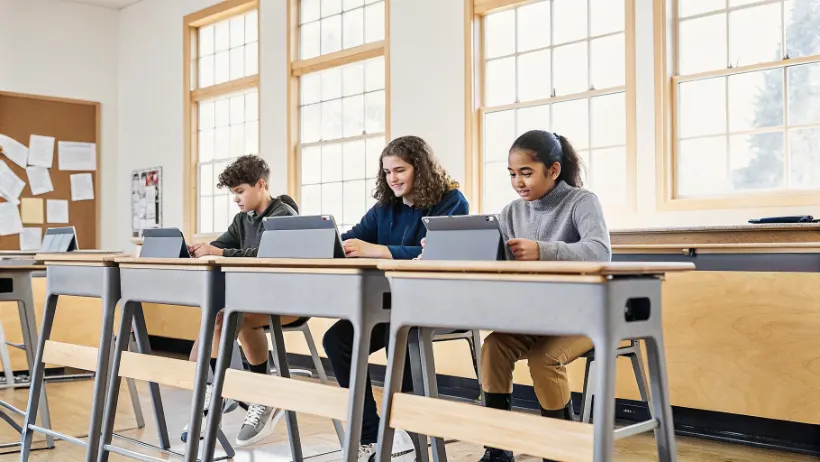
Over many years, the gambling business has gotten very good at making participation work. Platforms like happyjokers show how a smart mix of risk, reward, and unpredictable results can keep people interested in an experience. The atmosphere of a casino is meant to be fun, but the psychological principles at work there—anticipation, making decisions when you don't have all the information, and recognizing patterns—can be used by teachers to create useful learning activities. Teachers can create situations where students face planned obstacles, make smart decisions, and learn from the results without any real financial risk when they understand these processes.
How They Can Be Used in Educational Setting
When used with care, a few basic rules of games can make learning activities better. Tracking skill development through leveling systems lets students see their success as they move through competency stages. Getting more points turns into showing that you know what you're doing instead of just getting a grade. When you use quest designs, your tasks become story-based challenges with clear goals and more than one way to finish. These models give students freedom within structured settings, which boosts their drive and sense of ownership.
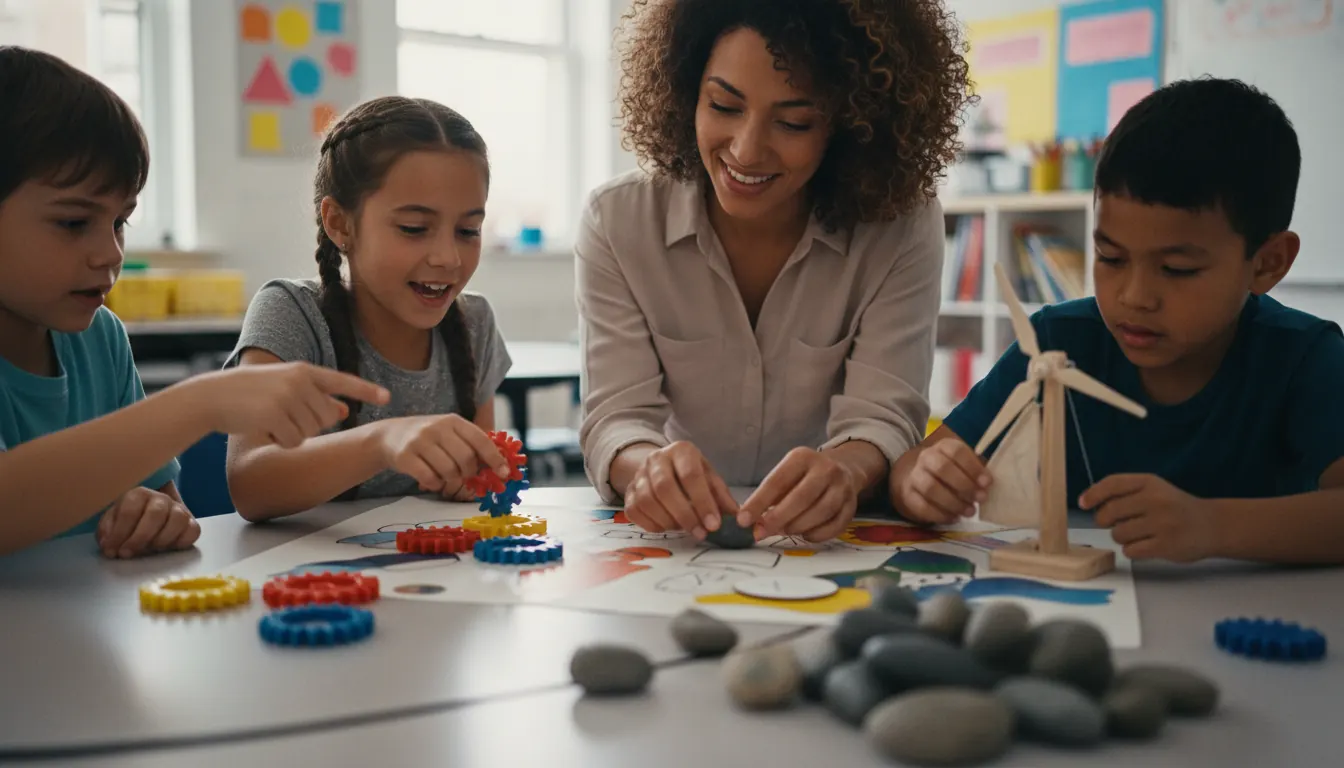
Getting people involved by using frameworks based on games:
- Levels of challenge that get harder as students get better, so students don't get bored or frustrated
- Instant feedback loops that let students know what will happen if they make a choice without having to wait for grades
- Recognition methods for a wide range of accomplishments that go beyond usual academic standards
- Collaborative problems that need people to work together and talk to each other to solve
- Using branching situations where choices have different results to teach people how to think critically
- Chores for managing resources that help you learn how to plan and strategically assign resources
- Timed tasks that help you concentrate and solve problems quickly while time is limited
Experiential Learning Activities Based on Scenarios from Video Games
Students are put in settings where they need to actively participate instead of just watching during experiential learning activities. Scenarios that are based on games give these experiences rich frames. In role-playing games, students could be historical figures who have to make choices that are proper for their time period. The outcomes of these decisions would be based on real historical events. Simulations could be used to teach economics, ecology, or social processes in a way that lets students see the effects of their actions. These learning activities use a lot of mental processes at once, like analysis, synthesis, and review, while keeping the interesting story structure that games do so well.
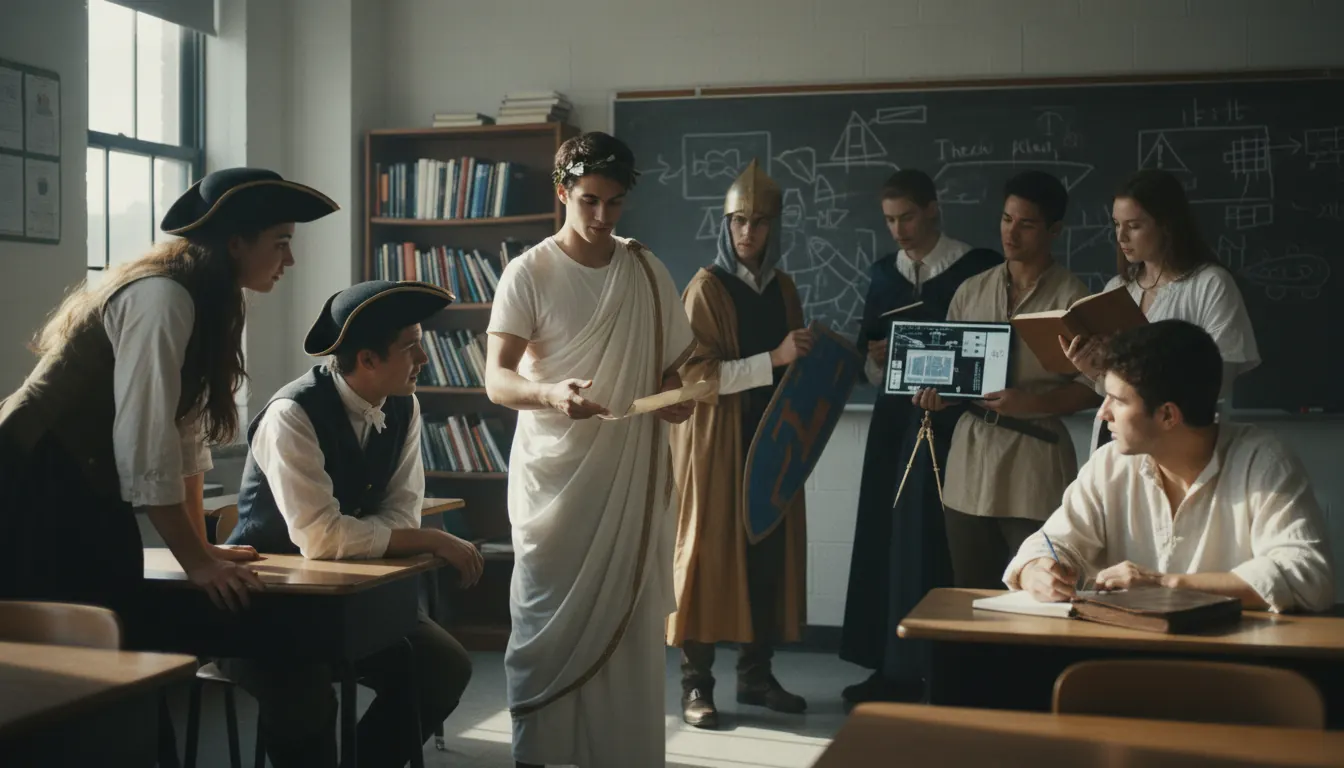
Meaningful experiential learning activities are built on the link between what you do and what happens as a result. When students can see the effects of the choices they make, abstract ideas become real. A game of scarce resources is a better way to learn economics than reading concepts in a textbook. Philosophical lectures aren't as good at building moral thinking as a role play that deals with moral problems. The game-like part gives order and rules, and the actual part makes sure that people care about how things turn out.
Examples of Learning Activities Based on Situations
| Type of Activity | Core Mechanic | Learning Outcome | Duration |
|---|---|---|---|
| Decision Simulation Based on History | Branching stories with restrictions on being true to the time | A close study of the connections between causes and effects | 2–3 sessions |
| Ecosystem Management Game | Managing resources with feedback loops | How to understand longevity and connection | 4–5 sessions |
| Market Economy Playing a Part | Changes in supply and demand with player trading | Knowledge of economics and the ability to negotiate | 3–4 sessions |
| How to Handle a Crisis | Making decisions under time pressure with incomplete facts | Problem-solving when you don't know what to do | 1–2 sessions |
Making Experiential Challenges That Work
To make experiential learning activities, you need to find a balance between order and flexibility. The situation needs clear goals and rules, but it should also allow for natural ways to solve problems. Facilitators need to make sure that they don't give too much direction and that students don't get lost without help. After the activity, debriefing meetings are very helpful for thinking about what happened, why some methods worked or didn't work, and how the lessons learned can be used in other situations. This thought turns experience into information that can be used in other situations.
"Students learn best when they are faced with real problems that require them to use what they have learned in real life. Game principles give complicated situations a framework that makes them easier to understand without taking away from their depth."
— Dr. Sarah Chen, Educational Technology Researcher
Outdoor Learning Activities Using Game Rules and Obstacles
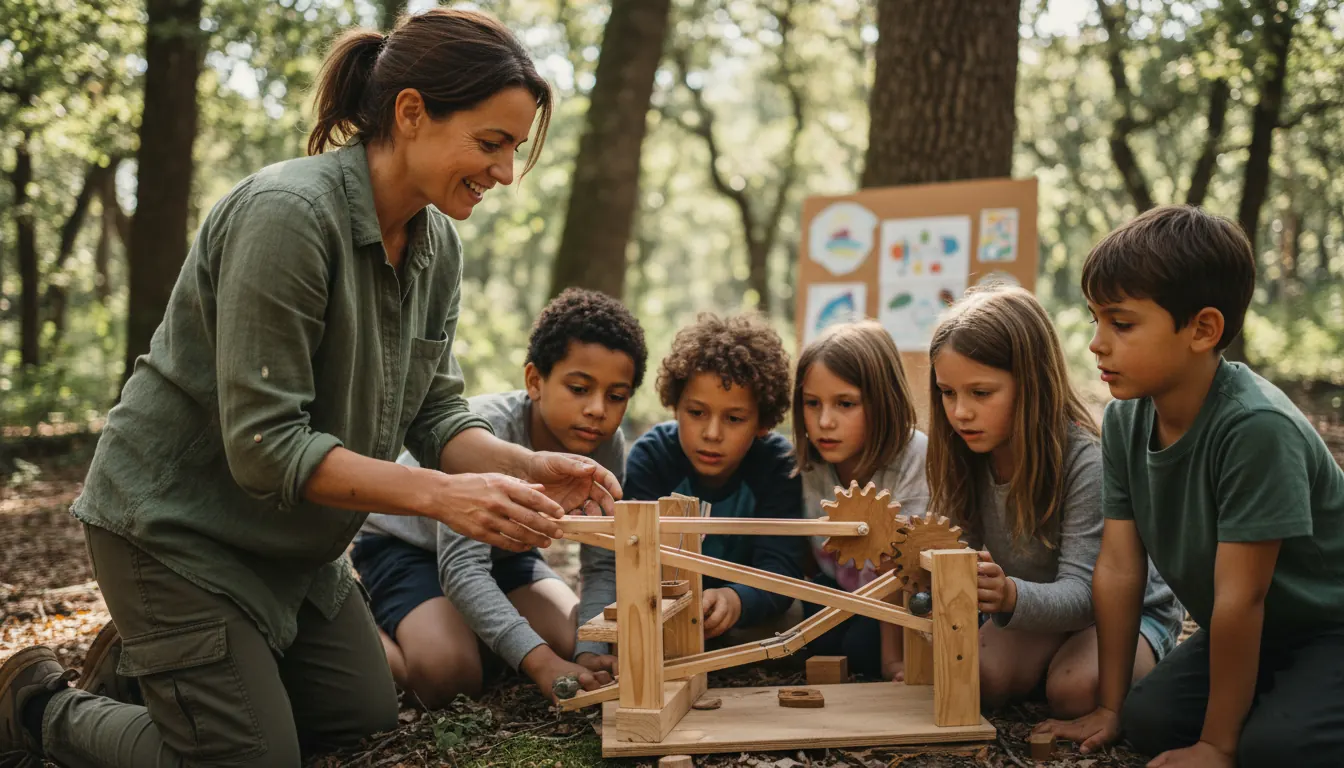
Structures that look like games and turn nature areas into interactive classes are great for outdoor learning activities. Scavenger hunts change into tracking adventures, which use GPS and require you to solve puzzles. Using point systems to find species or ecological connections makes observing nature more like a picture task. The land is turned into obstacle courses that teach physics by letting students feel gravity, motion, and force firsthand. In addition to supporting a variety of learning styles and raising knowledge about health and the environment, these outdoor learning activities mix physical activity with cognitive tasks.
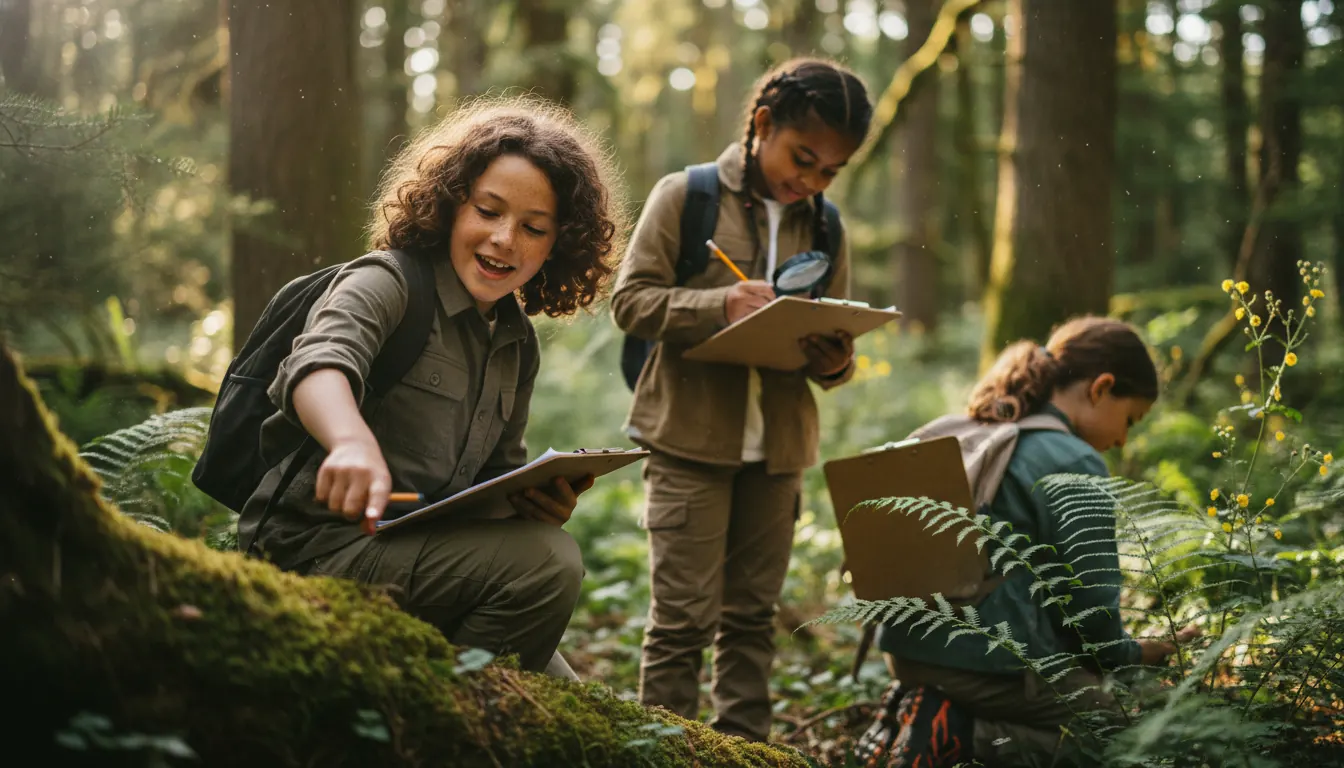
The digital age sometimes thinks that spending time outside is unrelated to their interests in technology. Game features help bridge this gap by putting known rules into new environments. A task to find your way through the woods with only a guide and map turns into a real-life strategy game. Team-based outdoor events are a lot like how people work together in online games. Digital award systems are like achievement badges for outdoor skills. These outdoor learning activities don't reject technology; instead, they work with it to show students that interesting things can happen in a variety of settings.
Parts of Games in Natural Settings
To use game features in outdoor learning activities, digital ideas need to be changed to work in real-world settings. Point systems could reward people who are good at observing things, like naming plant species, following animal signs, or naming rock formations. There could be friendly leaderboards instead of competing ones, where teams work together to reach common goals. Power-ups let you find new resources or buy tools that make your skills stronger. The natural world has changing conditions and new problems that can't be fully simulated by a computer game.
Structured Parts of an Outdoor Challenge:
- Students get to know the ecosystems in the area through organized discovery trips that let them explore new territory
- Collection quests that need to identify and record nature things without taking them away
- Survival skill tasks teach useful outdoor skills by getting harder over time
- Games that teach kids how to keep an eye on the environment and spot changes and patterns
- Physical problem-solving training where you have to work together to get past natural barriers
- Competitions in orienteering that combine planning and tracking skills
- Focusing on ecological details and artistic composition can be hard when taking pictures of nature
"When we frame outdoor education through game structures, we're not diminishing nature—we're giving students access points that help them engage deeply with environments they might otherwise overlook or be scared of."
— Marcus Rodriguez, Specialist in Outdoor Education
From Electronic Games to Meaningful Learning Tasks
Going from games that are mostly for fun to ones that are mostly for learning needs careful planning. When learning activities are done right, they take away the need for silly goals and replace them with important results. The logic problems in a digital puzzle game are turned into computer tasks. The control of resources in a strategy game turns into business planning situations. The dopamine reaction that comes from meeting game goals is shifted toward doing well in school and mastering skills. These changes recognize that the mechanics of connection are not valuable in and of themselves; their worth rests on what they are used to get students to do.

When teachers use game-based learning activities, they need to keep the learning goals in mind and not just focus on making the activities more fun. Adding points to current tasks without changing how they are fundamentally rarely makes people stay interested. For integration to make sense, we need to rethink how students connect with material, how they show they understand it, and how they learn. The best methods hide the rules of the game so that students can focus on the task and not the system that rewards them for meeting it.
Strategies for Putting Game-Based Learning into Practice
| Implementation Approach | Important Things | Best For | Levels of Complexity |
|---|---|---|---|
| Quest-Based Curriculum | Self-paced growth with multiple paths to take | Independent learners with a range of skill levels | Medium |
| Competition Format | Challenges that everyone can work together to reach | Getting better at working together and talking to each other | Low to Medium |
| Simulation Settings | Systems that are complicated and have many factors | Advanced systems research and critical thinking | High |
| Portfolio of Achievement | Different skill displays that aren't tests | Taking into account different skills and ways of learning | Medium to High |
Using More Than Just Traditional Metrics to Measure Success
Assessment in learning activities based on games goes beyond regular tests. Multiple-choice questions don't show how people think, but watching them solve problems does. Metacognitive awareness grows when people evaluate each other in team tasks. Self-reflection questions that come after hands-on tasks help people understand how they learn best. Documenting accomplishments across a range of tasks in a portfolio shows growth paths that aren't clear from a single exam score. These ways of testing are similar to how games track player development—by looking at how well they can do things over time instead of just one performance picture.
The long-term goal is to help people become self-directed learners who are naturally curious and want to learn. Learning activities that are based on games help kids learn to be independent. As students learn to find real joy in mastering a subject, the external compensation systems start to become more internal. It becomes normal to look for challenges. Failure changes despair into information. Collaboration moves from being a given task to a chosen method. When these changes happen, the game features will have done their job. They won't have replaced traditional education, but they will have made it easier to get and more interesting.
Educators all over the world are still trying these methods out and sharing what works and what could be improved. Along with standard pedagogy, professional growth now includes training on how to make games. More and more software tools let people who aren't good at computing make their own learning activities. Many teachers already know this, but research backs it up: students are more interested in learning activities that include parts of settings they already find interesting. The hard part isn't deciding if these approaches should be used together or not, but how to do it in a way that stays true to educational goals while still keeping the fun that makes games so strong.
Conclusion
Using game mechanics in learning tasks is a great way for teachers to get students more interested and help them understand more. Experiential learning activities that create meaningful scenarios, outdoor learning activities that combine physical and cognitive challenges, and game mechanics in the classroom are just a few examples of how these methods change the way students interact with content and help them learn skills that go far beyond core academic subjects.
Frequently Asked Questions
What are the main benefits of using game-based learning activities in education?
Game-based learning activities offer several key benefits including increased student engagement through structured progression and immediate feedback, development of critical thinking skills through decision-making scenarios, enhanced collaboration through team-based challenges, and improved retention of knowledge through active participation rather than passive learning. These activities transform traditional teaching into interactive experiences that make learning more memorable and effective.
How do experiential learning activities differ from traditional classroom teaching?
Experiential learning activities place students in active scenarios where they must participate and make decisions rather than passively receive information. These activities create meaningful connections between actions and consequences, allowing students to see the real-world effects of their choices. For example, resource management games teach economics more effectively than textbook reading, and role-playing moral dilemmas builds ethical reasoning better than philosophical lectures.
What types of outdoor learning activities can incorporate game mechanics?
Outdoor learning activities can include GPS-based scavenger hunts that require puzzle-solving, species identification challenges with point systems, orienteering competitions that combine navigation and strategy, obstacle courses that teach physics concepts through hands-on experience, survival skill progressions, environmental monitoring games, and nature photography challenges. These activities bridge technology and outdoor education while promoting physical activity and environmental awareness.
How can educators implement game-based learning without making it feel superficial?
Successful implementation requires keeping learning objectives at the forefront rather than just adding gamification elements for engagement. Educators should rethink how students interact with material fundamentally, use quest-based curriculum designs for self-paced learning, create simulation settings for complex systems thinking, and implement achievement portfolios that showcase diverse skills. The best approaches integrate game mechanics subtly so students focus on learning tasks rather than reward systems.
What assessment methods work best with game-based learning activities?
Assessment in game-based learning goes beyond traditional tests to include observation of problem-solving processes, peer evaluation in collaborative tasks, self-reflection exercises after experiential activities, and portfolio documentation of achievements across multiple competencies. These methods track student development over time similar to how games monitor player progress, providing a more comprehensive view of learning than single exam scores.