
From video games to the classroom interactive ways to learn that get people more involved
Successful methods in education have always come from odd places, and more and more, digital entertainment is being used as a source of ideas in today's classes. Online game sites have gotten very good at keeping people interested for hours on end by carefully planning how to connect with their users. These same ideas—immediate feedback, progressively harder problems, and award systems—are now changing standard schools into dynamic, student-centered places to learn. Teachers can develop interactive learning solutions that keep students' attention and enhance results in ways that classes and textbooks alone cannot.
What is interactive learning and why is it important for students to be involved
The idea behind interactive learning is that students should be active participants in the learning process instead of just passive receivers of knowledge. This method focuses on two-way communication, hands-on tasks, and instant feedback loops that help students understand ideas through direct experience instead of just remembering them.
Being able to learn actively instead of passively
Information was usually only sent in one way in traditional schools, where teachers spoke and students listened. However, studies constantly show that students are much more likely to remember what they are learning when they are directly involved in the process. This model is turned on its head in interactive learning spaces, which let students try things out, ask questions, and find answers through guided discovery. This method is similar to how people learn in real life: by making mistakes, learning from them, and adapting.
Why student participation affects how well they do in school
Student involvement is directly linked to academic success, but it's harder than ever to pay attention in today's world of endless distractions. When students don't connect with what they are learning, it turns into a job instead of an adventure. This problem can be solved by interactive learning strategies that make school feel less like work and more like meaningful play, similar to how entertainment platforms keep people interested by letting them connect with each other and move forward all the time.
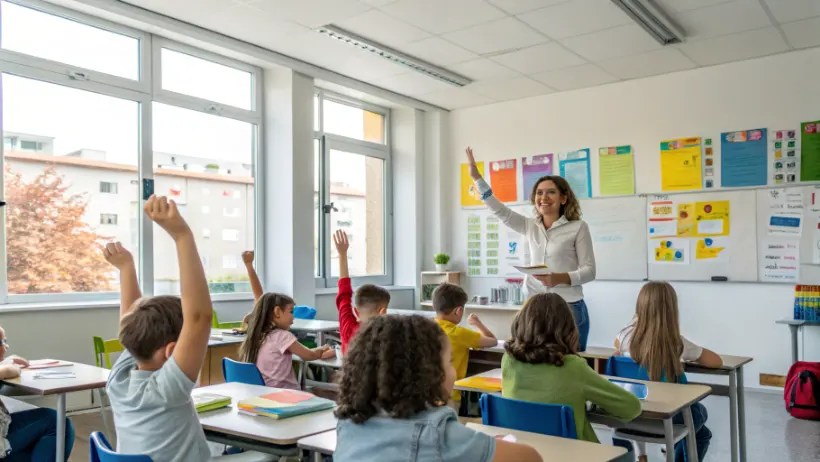
How digital games keep people interested interactive learning environments
Using complex psychology principles that teachers can adapt for use in the classroom, the game industry has mastered keeping users coming back. Understanding these processes gives designers the tools they need to develop interactive learning solutions that keep students' interest and drive high for long stretches.
Key ways that digital platforms encourage engagement
Online game sites use a variety of methods to keep users interested. Progressive difficulty makes sure that players meet tasks that are right for their level of skill, which keeps them from getting bored or frustrated. Immediate feedback loops let users know right away if what they did worked or not, which lets them learn and change things quickly. Visual and auditory cues keep your senses engaged all the time, and social aspects foster community and friendly competition. Even platforms that are meant to be fun, like the casino-style games on sites like maneki spin, use these ideas to make experiences that are interesting by using engaging features and giving players something to look forward to.
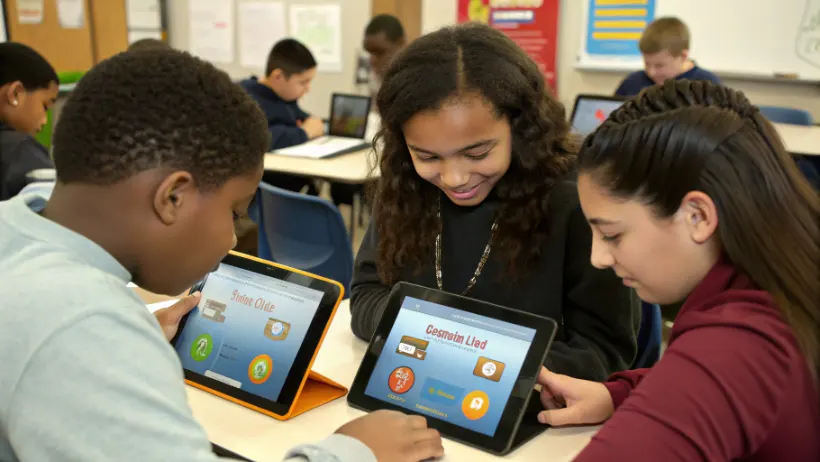
Using gaming to get students to learn
| Gaming Element | Educational Adaptation | Implementation Example | Student Benefit |
|---|---|---|---|
| Experience Points | Progression based on mastery | Students move on after showing they can do the skills | Clear pictures of growth |
| Achievement Badges | Certifications of skills | Earn digital badges by finishing learning classes | Recognition in the form of something tangible |
| Leaderboards | Rankings done together | Class progress signs that stress change | Comparison as a healthy way to get motivated |
| Quests | Learning through projects | Multiple-step tasks with a story setting | More money spent on results |
| Power-ups | Perks you earned | Extra time or access to resources to do a good job | Encouragement of good behavior |
The key is to carefully add these factors to schooling instead of just making it more like a game. When done right, these interactive learning activities become real ways of learning, not just short-term tricks that stop working after a while.
Interactive learning methods based on how online games work
Teachers can change the way they teach by using certain techniques that come from game design. When changed to fit learning goals and student growth stages, these methods can be used for all topics and grade levels.
Making challenge systems that get harder over time
A game's success depends on difficulty levels that are carefully set up to increase as the player gets better. Using this idea in education means making learning paths where each topic naturally builds on what you already know. Students start with basic skills and work their way up to more difficult tasks as they become more skilled. This stops the common problem of students getting bored with material they already know or feeling overwhelmed by material they don't understand.
"The best way for students to learn is at the edge of their current ability—challenging enough to require effort but doable enough to keep their confidence. This is exactly the area that well-designed games naturally aim for." — Dr. James Gee, Educational Psychologist
Using branching scenarios and choice
A lot of the time, games let players make choices that have real effects on the outcome, which makes them care about the outcome. In the classroom, this means giving students more than one way to show what they know or learn more about a subject. Instead of tests that are the same for everyone, interactive learning strategies might let students choose how to finish projects, which problems to solve first, or which parts of a topic to learn more about. This freedom makes learning more interesting by taking into account different learning styles and hobbies.
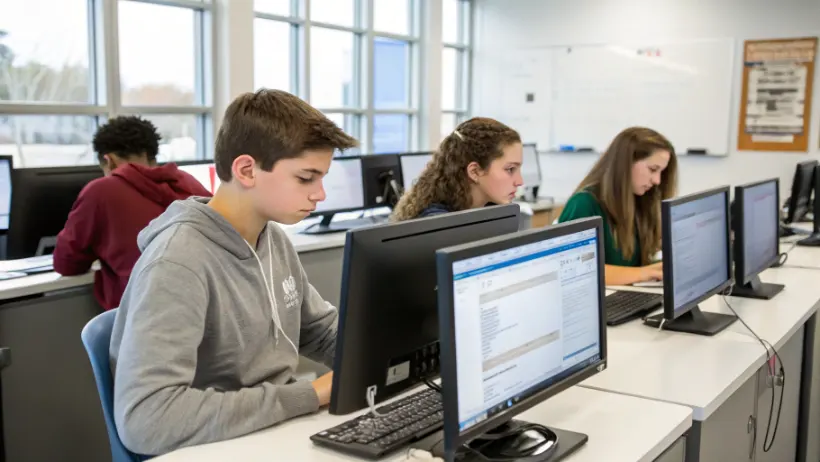
Key teaching methods inspired by games
- Instant feedback systems: Use digital tools or quick testing methods that let students know right away if they understand, so they can make changes without having to wait days for their work to be marked.
- Narrative framing: Put learning goals in the framework of a story that gives skill development a purpose and makes abstract ideas seem important to solving specific problems in the story.
- Collaborative challenges: Make group tasks where students have to use their individual skills to solve problems that are too hard for any one person to handle, similar to how people work together in social games.
- Safe places for failure: Make places where making mistakes isn't punished but instead a way to learn, and encourage people to try new things and take risks, which are both necessary for deep understanding.
- Tracking success that can be seen: Set up portfolios, progress screens, or mastery charts so that students can see how their skills change over time.
- Skill trees and paths: Help students see how what they are learning now relates to what they will be able to do in the future. This helps them understand why lessons that seem unrelated are important.
- Timed challenges: Use timed tasks from time to time to build a healthy sense of urgency and focus, but they shouldn't take over the lesson.
Interactive activities for learning that get people involved
The academic structure is useless if it can't be used in real life. When they work, interactive learning activities turn abstract ideas into real-life classroom situations that students find interesting and useful for learning.
Simulations that help with learning
Simulations let students actually use complicated systems instead of just reading about them. In science classes, virtual labs could be used so that students can change factors and see what happens without having to deal with the limited resources that come with real studies. History students could take part in historical games where they play decision-makers who had to make choices about problems that were common at the time. There is a way to learn through experience that these interactive learning environments can't match.

Digital and real-world tools for interaction
| Activity Type | Implementation Tools | Subject Applications | Engagement Factor |
|---|---|---|---|
| Interactive polls | Response tools for the classroom | All topics for tests of understanding | Data on involvement in real time |
| Virtual field trips | 360-degree sites for videos | Science, geography, and history | Exploration without plans |
| Digital escape rooms | Puzzle boards with educational goals | Skills in math, language arts, and reasoning | Fixing problems with an interesting idea |
| Augmented reality overlays | AR apps on screens | History and science visualization | Bringing the digital and real worlds together |
Interactive methods that can be used in any classroom
- Think-pair-share variations: Students think about things on their own, talk about them with a partner, and then share what they've learned with the whole class. This way, everyone's voice is heard and understanding is built.
- Interactive demos: Instead of watching teachers do demonstrations, students guess what will happen, explain why they think what they think will happen, then watch what happens and figure out why their guesses were wrong.
- Peer teaching rotations: Students learn a lot about a subject and then teach their peers. This helps them understand things better and gives them a chance to use a variety of teaching styles.
- Challenges for fixing problems: Give kids open-ended questions with more than one way to solve them. This will help them think critically and creatively while they are solving problems.
- Interactive timelines: Students work together to make live timelines by adding events, pictures, and connections throughout the units. This makes visual tools that are very complete.
- Question generation activities: Instead of just asking questions, students write their own for their classmates to answer. This helps them understand what makes a good question and what's really important in a subject better.
- Real-world application projects: Link what students are learning in the classroom to real problems in their communities. This makes abstract information useful in the real world.
"Students don't fight learning; they fight being tired and not caring. When students feel like they are part of an engaging, meaningful, and listening to their teachers, they are naturally more engaged." — Sarah Martinez, Award-Winning Teacher
The pros and cons of interactive learning for teachers and students
Moving away from standard ways of teaching and toward engaging learning has clear benefits for both students and teachers, which makes the extra planning and implementation work worth it.
Recorded results for students
Research shows over and over that interactive learning strategies help people remember, understand, and use what they've learned better than idle learning strategies. Students who are in interactive learning environments are more motivated, show up to class more often, and finish their work more often. Active participation helps students who have trouble with traditional lecture-based teaching by letting them access information in a number of different ways. A lot of interactive tasks also help kids learn important "soft skills" like conversation, teamwork, and adaptability that aren't related to specific subjects.
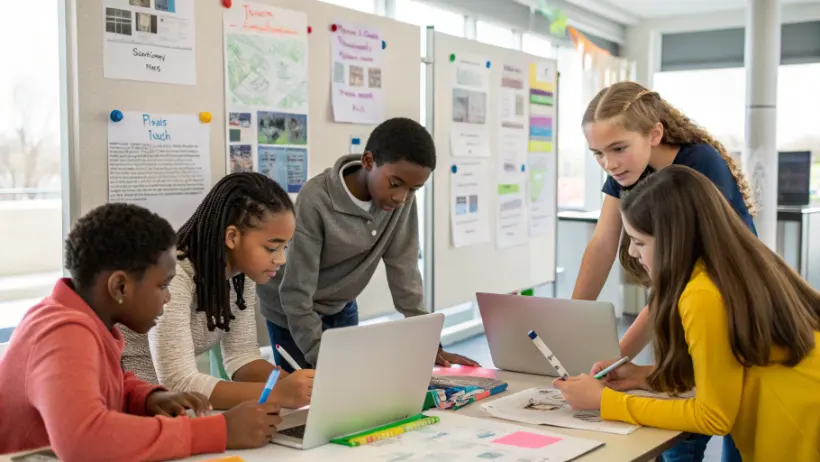
Advantages for schools and teachers
| Benefit Category | Specific Advantages | Measurement Indicators | Long-term Impact |
|---|---|---|---|
| Student Performance | Better understanding and test scores | Evaluation reports, quality of the project | More successful school paths |
| Classroom Management | Better performance while on task | Referrals for behavior and interaction notes | Fewer incidents of disruption |
| Differentiation | Easier meeting of different wants | Tracking each person's growth | Better results for people of all skill levels |
| Educator Satisfaction | More satisfying opportunities to teach | Interest in keeping teachers and professional growth | Better group for learning |
| Assessment Quality | More information about what students understand | Formative grading ideas | More specific changes to the lessons |
When teachers use interactive learning solutions, they often feel more excited about their job because they see students who are really interested in learning. The instant feedback that comes with engaging methods also helps teachers find mistakes quickly, instead of waiting until the end of the year to find out where students need more help.
Dealing with problems in implementation
Even though the benefits are clear, switching to interactive learning can be hard because it takes time to plan activities, some students may not like the new forms at first, and some people may not have access to the right technology. But teachers who start small, like adding one interactive element a week, find long-term ways to change without overwhelming their students or themselves. Teachers who share successful interactive learning activities in professional learning groups speed up adoption by giving everyone tried-and-true tools instead of making everything from scratch.
Conclusion
When you combine the design principles of games with those used in education, you get powerful interactive learning strategies that solve today's problems with engagement. Teachers can make learning settings that are lively and involve students in building their own knowledge by carefully adapting the techniques that digital platforms use to keep users interested. The benefits of interactive learning go beyond keeping students interested for a short time. They last longer and lead to better understanding, retention, and real excitement for learning. As classes change, the lessons we've learned from games about how to keep students interested over time can help us make learning both useful and fun.
Frequently Asked Questions
What is interactive learning and how does it differ from traditional teaching?
Interactive learning is an educational approach where students actively participate in the learning process rather than passively receiving information. Unlike traditional teaching where instructors lecture and students listen, interactive learning emphasizes two-way communication, hands-on activities, and immediate feedback loops. This method helps students understand concepts through direct experience, experimentation, and guided discovery, similar to how people naturally learn outside academic settings.
How can gaming principles be applied to classroom education?
Gaming principles can be adapted to education through several strategies: progressive difficulty systems that match challenges to student skill levels, immediate feedback mechanisms that inform students instantly about their performance, narrative framing that gives context to learning objectives, collaborative challenges that require teamwork, and visible progress tracking through portfolios or mastery charts. These elements create engagement by making learning feel purposeful and rewarding, similar to how games maintain player interest.
What are the main benefits of interactive learning for students?
Interactive learning offers numerous benefits including improved retention and comprehension compared to passive learning methods, increased motivation and engagement, better attendance and completion rates, and development of soft skills like communication, teamwork, and adaptability. Students in interactive learning environments can access material through multiple modalities, which particularly helps diverse learners who struggle with traditional lecture-based instruction.
What types of interactive learning activities work well in classrooms?
Effective interactive learning activities include simulations and virtual labs that let students experiment with complex systems, think-pair-share exercises for collaborative discussion, peer teaching rotations where students become subject experts, interactive demonstrations where students predict outcomes before observing results, real-world application projects connecting classroom learning to community problems, and digital tools like interactive polls, virtual field trips, and augmented reality applications.
What challenges do teachers face when implementing interactive learning?
Teachers implementing interactive learning face several challenges including the time investment required to design activities, initial student resistance to unfamiliar formats, technology access disparities, and the learning curve associated with new teaching methods. However, educators who start small by incorporating one interactive element per week find sustainable paths toward transformation. Professional learning communities where teachers share successful strategies can accelerate adoption by providing tested resources rather than requiring everyone to create materials from scratch.